
A dental crown isn’t a small purchase. You’re paying for materials, lab work, and the dentist’s skill in placing it. So it’s fair to ask a simple question: how long will this actually last? A well-made dental crown can last twenty-five years or more. Some last a lifetime. But a poorly planned one can fail in five.
The difference isn’t luck. It comes down to a handful of factors, some in our control, some in yours. Let’s walk through them.
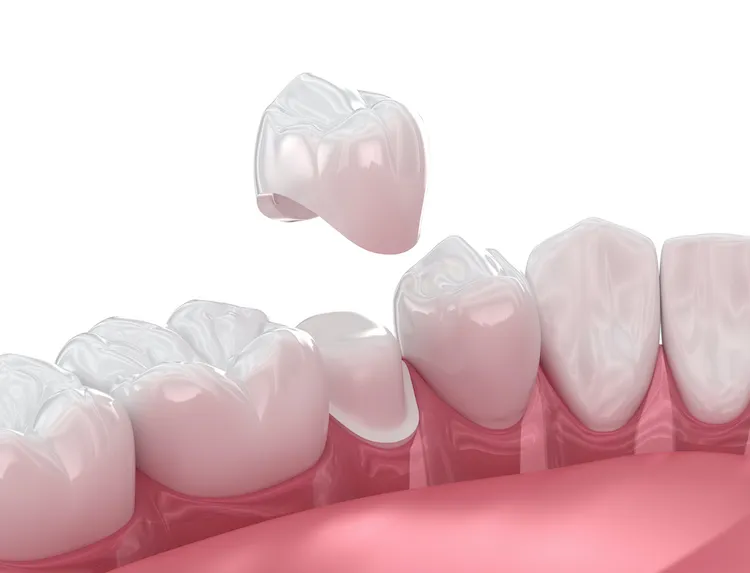
The Average Lifespan
Most dental crowns last somewhere between ten and fifteen years. That’s the middle of the bell curve. But averages hide a lot.
We’ve seen crowns that failed in three years because the bite was never balanced. We’ve seen crowns still going strong after thirty because everything was done right. The material matters. The placement matters. And what you do after you leave the office matters just as much. Understanding what shortens a crown’s lifespan can help you plan for a long-lasting restoration.
Grinding and Clenching
This is the number one culprit. If you grind your teeth at night, you’re putting hundreds of pounds of force on your crowns while you sleep. Over time, that force cracks porcelain, wears through the surface, and can even damage the tooth underneath.
We can’t stop you from grinding. But we can protect your crowns with a custom nightguard. If you know you grind, tell us. Don’t wait for a crown to fail first.
A Bite That Isn’t Balanced
A crown has to fit into your bite like a puzzle piece. If it sits too high, it takes more force than it should. If it sits too low, neighboring teeth do work they weren’t meant to do. Either way, something breaks down.
This is why Dr. Fisher checks your bite carefully after placing a crown. A few seconds of adjustment now prevents years of problems later.
Poor Oral Hygiene
Crowns don’t get cavities. But the tooth underneath them can. And so can the gums around them. If plaque builds up along the crown margin, decay can sneak underneath where you can’t see it.
Brushing, flossing, and regular cleanings protect the tooth that holds the crown. That’s the foundation. If the foundation fails, the crown fails too.
Cheap Materials
Not all crowns are created equal. Low-quality porcelain chips easily. Poorly fitted crowns let bacteria in. We use high-strength materials, such as layered zirconia for back teeth, and all-ceramic for front teeth, because we plan for decades, not years.
What Makes a Crown Last
- Precise preparation: The tooth underneath has to be shaped correctly. Too little reduction and the crown is bulky. Too much and the tooth is weakened. This is where experience matters.
- A good lab: The crown must be fabricated to exact specifications. We work with labs that hold tight tolerances. A crown that doesn’t fit perfectly will fail, no matter how good the material is.
- Your habits: Brush. Floss. Wear your nightguard if you have one. Don’t chew ice or open packages with your teeth. These sound small, but they add up over twenty years.
How We Check Crown Health
At every cleaning, we examine your crowns. We check the margins for decay, test the bite, and look for cracks or wear. Most crown problems are visible long before they become painful.
That’s the advantage of regular visits. We catch small issues before they require a replacement.
Restore Your Tooth Today
A crown can last decades. But it needs three things: a precise placement, quality materials, and consistent care from you.
If you have a crown that’s bothering you, or if you’ve been told you need one and want a second opinion, call us at 402-526-5091 or request an appointment online. We’ll tell you the truth about what you’re working with and what it will take to make it last.