
A damaged or decayed tooth can affect how your teeth look and make eating uncomfortable. At Fisher Dental, Dr. Jake Fisher provides expert dental crown treatment designed to restore both the function and beauty of your smile.
As a Dawson dentist, Dr. Fisher uses his advanced training means he evaluates your entire bite and jaw system to ensure your crown is stable and built to last. He takes a proactive, patient-centered approach to your care. We will take the time to listen to your goals, explain your options, and create a restorative dentistry treatment plan that fits your needs.
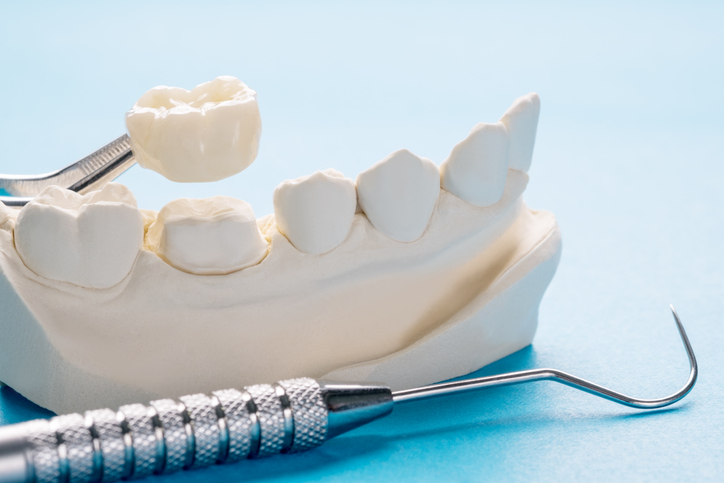
What are Dental Crowns?
Crowns are like a cap that covers a damaged tooth. Dr. Fisher uses them to restore the tooth’s shape, size, strength, and appearance. Crowns can be made from different materials, including porcelain, metal, or a combination of both. At Fisher Dental, we ensure that your crown matches the color of your natural teeth.
Why You May Need a Crown
A dental crown acts as a cap to cover the entire tooth, restoring its shape, strength, and function. Crowns are designed to protect teeth and improve your smile, making them a great option in several situations. Crowns can:
- Cap off a single implant or multiple dental implants
- Support a dental bridge
- Protect a weakened tooth after a root canal
- Cover a worn or damaged tooth
Dr. Fisher will only recommend a crown if you have tooth damage or a missing tooth that needs support. He’ll examine your mouth and consider your dental problems before he begins the crown process.
The Top Benefits of Dental Crowns
Dental crowns are a popular choice for many patients. Here are some reasons why you might consider getting a dental crown:
- Protection: Crowns protect weak or damaged teeth from further decay or injury. They act like a strong cap that covers the entire tooth, shielding it from biting pressure and daily wear. This added protection helps prevent cracks, chips, or other damage that could lead to more serious dental problems.
- Restoration: Dental crowns restore broken or worn-down teeth, allowing you to chew and speak properly. They provide a stable biting surface so you can bite and chew without pain. Crowns also help maintain the alignment of your bite and prevent stress on other teeth.
- Cosmetic Improvement: Crowns can improve the appearance of discolored, misshapen, or uneven teeth. They are custom-made to match the color, size, and shape of your natural teeth, giving you a seamless and natural-looking smile. A crown can also fill gaps and cover stained teeth.
- Durability: With proper care, dental crowns can last many years, providing a long-term solution for dental issues. High-quality materials like porcelain or ceramic make crowns strong enough to withstand daily chewing and biting. Regular dental hygiene and visits with Dr. Fisher ensure your crown lasts.
What to Expect During the Dental Crown Procedure
Getting a dental crown typically involves two visits to our Omaha dental office. Here’s what you can expect.
First Visit: Comprehensive Exam and Tooth Preparation
Dr. Fisher will begin with a thorough examination of your tooth, gums, and bite. As a Dawson Academy-trained dentist, he looks at your entire jaw system, not just the damaged tooth. He will check how your teeth come together and evaluate your jaw joints so your new crown will fit comfortably and function properly.
If a crown is the right solution, he will prepare your tooth by gently removing any decay and shaping it. Then he will take a digital impression to create your custom crown. A temporary crown will be placed to protect your tooth while your permanent one is being crafted.
Second Visit: Crown Placement and Bite Check
Once your custom crown is ready, you will return to our office. Dr. Fisher will remove the temporary crown and carefully fit the permanent one. He will check the fit, color, and appearance to make sure it blends with your natural teeth.
Then he will ensure the crown fits perfectly within your bite so you can chew comfortably and without strain. Once everything is right, he cements the crown in place.
Follow-Up Care
We recommend continuing with regular check-ups and cleanings. At each visit, we will check your crown to make sure it is in good condition and your bite remains stable.
Dental Crown FAQs
Are you interested in crowns but want to know more? We’re here to help. Read answers to common questions about dental crowns in Omaha, NE.
How do I clean dental crowns?
Cleaning dental crowns is very similar to cleaning your natural teeth. Brush your teeth at least twice a day with a soft-bristled toothbrush and fluoride toothpaste. Make sure to brush all sides of the crown where it meets the gum line. Floss between your teeth and crowns to remove food particles and bacteria. You can also use an interdental brush or water flosser for a deeper clean.
Can I whiten crowns?
No, dental crowns cannot be whitened like natural teeth. Teeth whitening treatments only work on your natural teeth, not on crowns, veneers, or other dental restorations. To keep crowns looking their best, brush and floss every day. Also avoid foods or drinks that can stain, like coffee, tea, or red wine.
We may also recommend that you get whitening treatment before you get a crown. Then we can color-match the crown material to your brighter teeth.
What type of material is best for my crown?
Crowns can be made from different types of materials, from gold to zirconia or porcelain-fused-to-metal (PFM crowns).
At Fisher Dental, we recommend porcelain for most patients. Porcelain mimics natural enamel for a seamless look. It’ss also strong and durable enough to handle daily chewing. Plus, porcelain is a poor conductor of heat and cold, which helps reduce tooth sensitivity after treatment.
What can I eat after crown treatment?
After you get a permanent crown, you can eat normally. There are no food restrictions once the crown is fully cemented.
But right after you get a crown, the area may be numb for a few hours. When you do eat, start with soft foods like yogurt, soup, or scrambled eggs. Avoid hard, sticky, or chewy foods like nuts, caramel, or chewing gum for the first day or two to let the cement set.
After that, you can go back to eating all your favorite foods.
Will getting a crown hurt?
No. The procedure is performed under local anesthesia to ensure your comfort. You may feel mild sensitivity after the numbing wears off, but this is temporary. We recommend that you take over-the-counter pain medication if you feel sensitivity after treatment.
Can crowns fall out?
This can happen if the cement holding the crown weakens, if the tooth underneath decays, or if the crown is hit by something hard.
If your crown comes off, contact our dentist as soon as possible. You can try placing the crown back on the tooth temporarily with dental cement or toothpaste, but this is just a short-term solution. We can determine if we can reattach the crown or create a new one for you.
Schedule a Crown Consultation Today
If you think a dental crown might be right for you, or if you have any questions, don’t hesitate to reach out to us. At Fisher Dental, we are here to help you achieve a healthy and beautiful smile. Call Dr. Fisher to begin dental crown treatment in Omaha, NE, today at 402-526-5091. You can also request an appointment online to take the first step towards a better smile.